

Refugees on the Frontline Against Bushfires in Mauritania
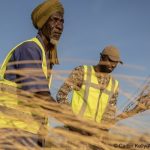
The Mbera Fire Brigade is a powerful example of refugees giving back to their host country. With more than 360 volunteer members, most of them refugees from Mali, the brigade works alongside Mauritanian authorities and humanitarian organizations to protect land that has become their new home.
Operating in the arid southeast of Mauritania, the volunteers face a unique enemy: bushfires that cannot be extinguished with water alone. In many cases, the nearest water source is hundreds of kilometers away, forcing firefighters to rely on traditional yet effective methods—smothering flames with tree branches.
Fighting Fire Without Water
Ahmedou Ag Albohary, a Malian refugee who has lived in Mauritania since 2012, knows bushfires better than most. Having fought fires since the age of 20, he understands that uncontrolled fires threaten not only the land, but also the survival of pastoralist and farming communities.
During the long dry season—from September to July—temperatures soar above 40°C, igniting fires that tear through pasturelands and forests. For communities whose livelihoods depend on livestock, the destruction can be devastating.
Recognizing the danger, Albohary organized fellow refugees in 2013 to fight the fires. In 2018, with support from UNHCR and SOS Desert, the initiative officially became the Mbera Fire Brigade.
A Coordinated Community Effort
Nearly 90 percent of Mauritania is desert, making the country extremely vulnerable to drought and wildfires. Fires can burn for hours or even days, fueled by deforestation and dry vegetation.
When a fire breaks out, an alert is sent. Firefighters jump into pickup trucks and rush to the scene. Teams of around 20 volunteers spread out, wielding acacia branches, a tree species known for its resistance to heat. By beating the edges of the flames, they stop fires from spreading.
Other prevention strategies include:
- Clearing dry grass to block fire paths
- Pouring water around camps to create protective soil barriers
- Building firebreaks to slow advancing flames
From Displacement to Protection
Albohary was displaced twice by conflict in Mali—first in 1992, then again in 2012. His son, Hantam Ag Ahmedou, was just 11 years old when the family settled in the Mbera refugee camp, located about 48 kilometers from the Malian border.
Today, father and son fight fires side by side. Together with their fellow volunteers, they have battled hundreds of bushfires, protecting both refugees and host communities.
“The host community has shown us incredible generosity,” Ahmedou told the Associated Press.
“They share everything they have with us. We felt we had to give something back.”
Mauritania: Transit and Refuge for Thousands
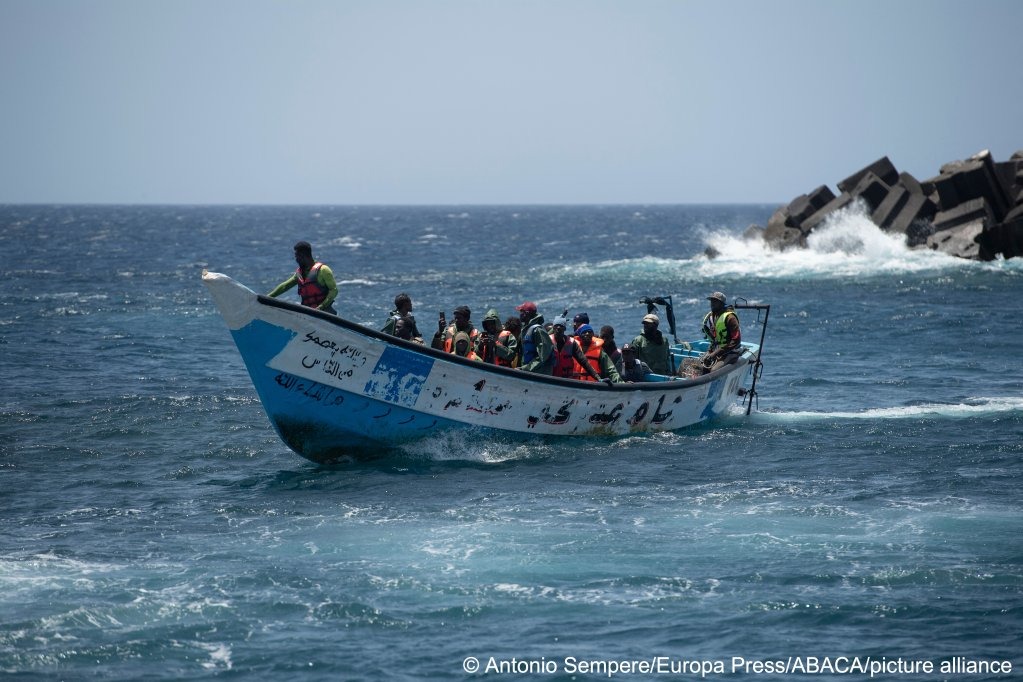
Mauritania has become a key transit and destination country for migrants and refugees from West and Central Africa. It is also a departure point for the dangerous Atlantic route to Spain’s Canary Islands, one of Europe’s busiest irregular migration routes in 2024.
According to Human Rights Watch, around 147,000 people attempted the crossing between 2020 and 2024, with thousands believed to have died at sea.
Despite these challenges, Mauritania continues its open-door policy. UNHCR data shows the country currently hosts over 160,000 Malian refugees, mainly in the Hodh El Chargui region, where the Mbera camp is located.
Protecting the Land for the Future
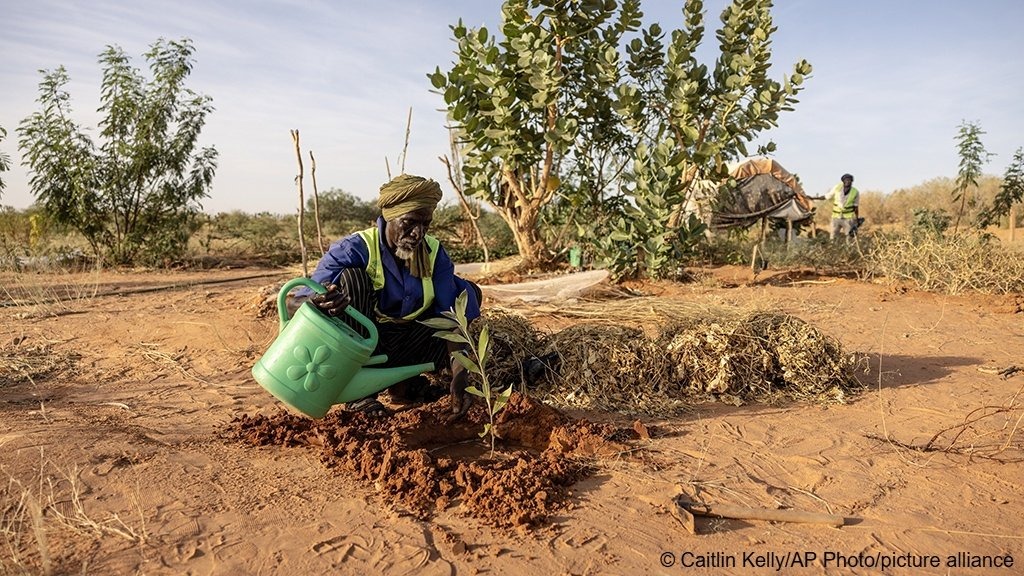
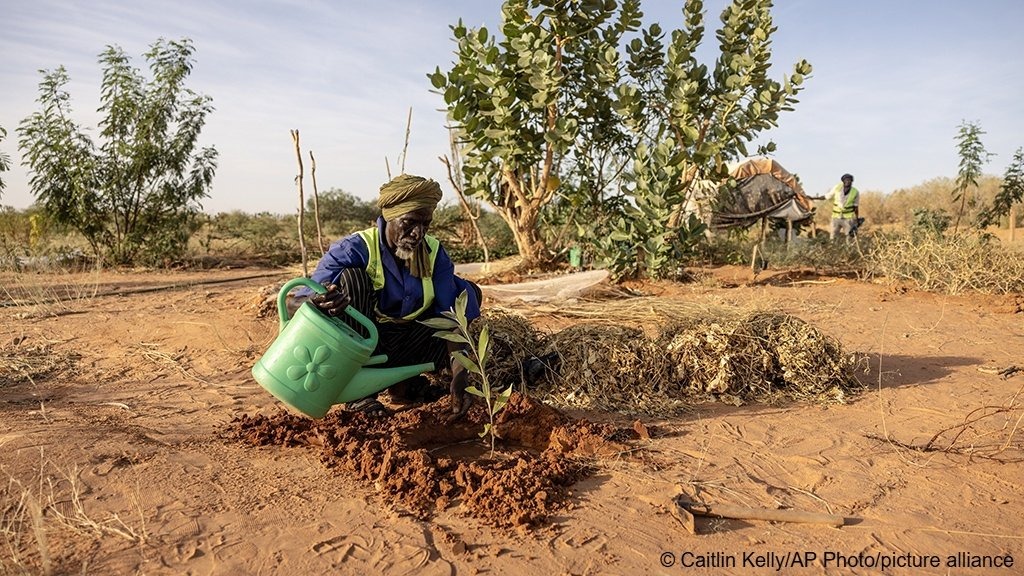
Beyond firefighting, the Mbera Fire Brigade is deeply involved in reforestation and environmental protection. With saplings provided by SOS Desert, volunteers plant trees throughout the camp and surrounding areas.
The brigade also builds and maintains firebreak strips, clearing dry plant debris to reduce the risk of future fires.
Support comes from multiple partners:
- UNHCR & SOS Desert – organization and environmental support
- European Union – funding for training, equipment, and firebreaks
- Local Mauritanian authorities – coordination and joint response
A Shared Home, A Shared Responsibility
What began as a refugee-led survival effort has grown into a community-wide environmental protection movement. Refugees and Mauritanians now work side by side to defend land that provides shelter, food, and hope.
As climate change continues to intensify droughts and fires across the Sahel, the Mbera Fire Brigade stands as a model of resilience, solidarity, and responsibility—proving that refugees are not a burden, but an asset to the communities that welcome them.




Leave a comment