

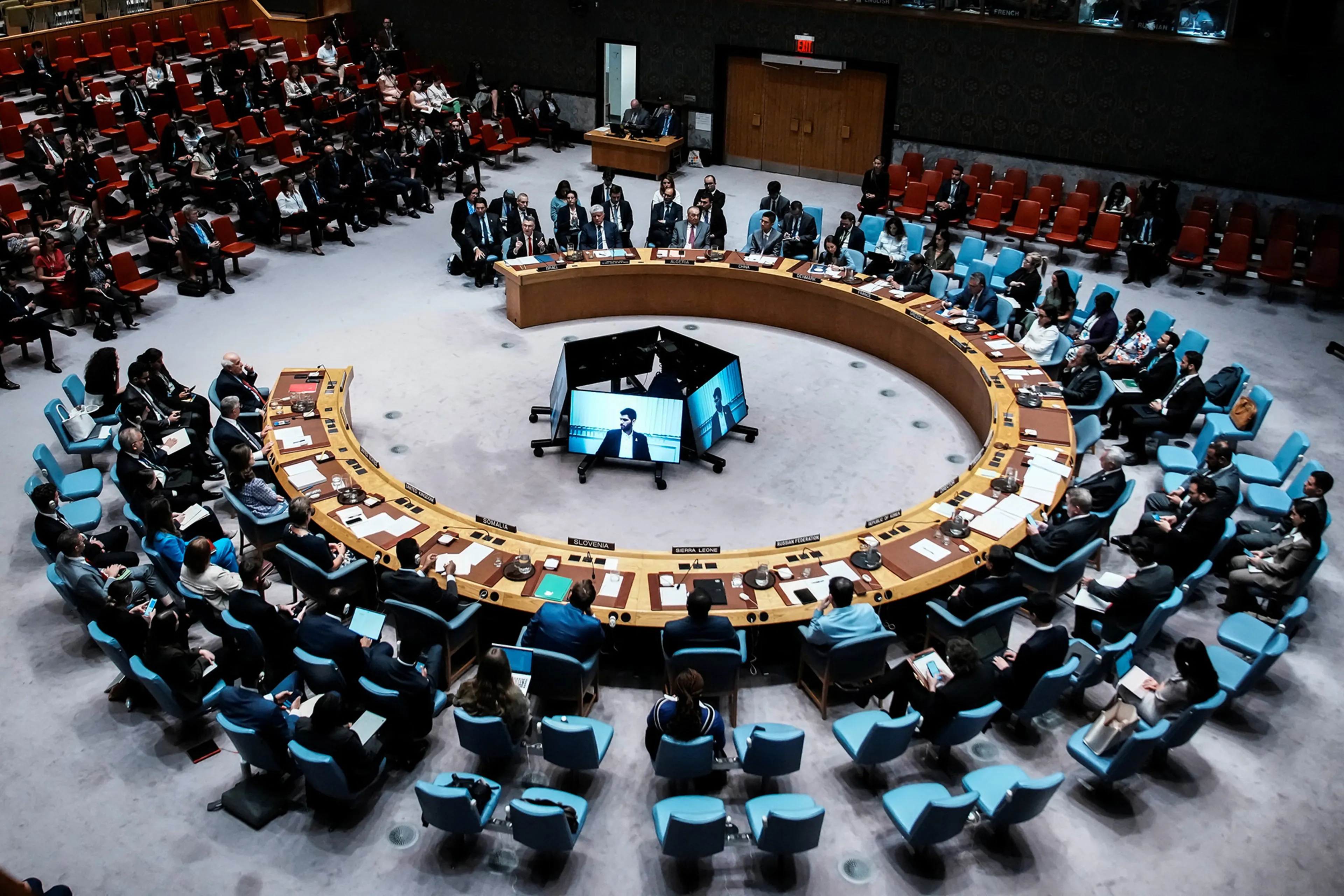
The geopolitical landscape of the Horn of Africa was fundamentally altered last night, Monday, December 29, 2025, as the United Nations Security Council convened an emergency session to address a diplomatic bombshell: Israel’s formal recognition of Somaliland as a sovereign state.
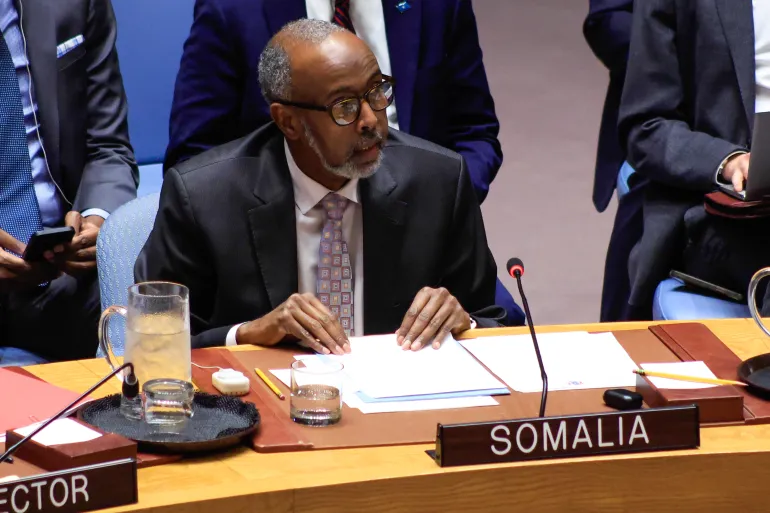
The meeting, characterized by sharp rhetoric and deep divisions, marked the first time the UN has formally debated the status of the breakaway northern region since it declared independence from Somalia in 1991.
The Catalyst: A “New Era” vs. “Flagrant Aggression”
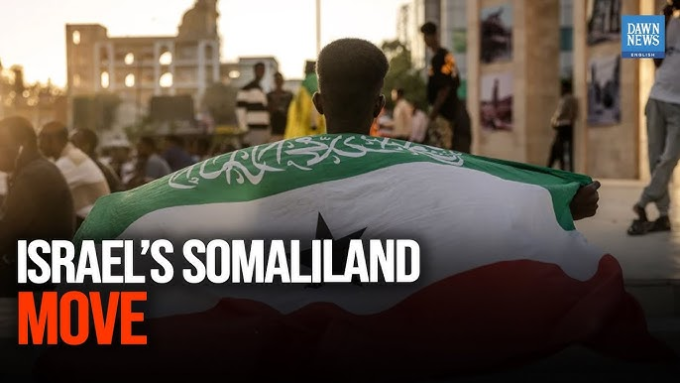
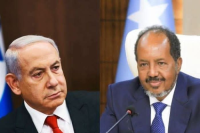
The crisis began on December 26, when Israeli Prime Minister Benjamin Netanyahu and Somaliland President Abdirahman Mohamed Abdullahi signed a historic declaration of mutual recognition. Israel is now the first UN member state to officially recognize Somaliland.
Israel’s Logic: Jerusalem framed the move as being “in the spirit of the Abraham Accords,” seeking a strategic partner near the Bab el-Mandeb Strait—a vital maritime chokepoint currently threatened by Houthi activity.
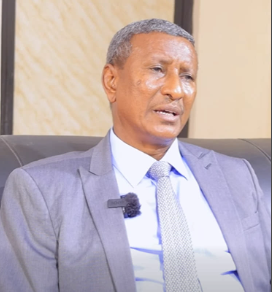
Somalia’s Outrage: During last night’s session, Somalia’s UN representative, Abukar Dahir Osman, called the move a “flagrant assault” on his country’s territorial integrity. Speaking for a coalition of African nations (the A3+), he declared the recognition “null and void.”
Key Flashpoints from the UN Chamber
The emergency briefing, led by Assistant Secretary-General Khaled Khiari, highlighted three major concerns that dominated the floor:
- The “Gaza Relocation” Allegation
In a significant escalation of rhetoric, the Somali delegation and several Middle Eastern representatives expressed fears that Israel’s recognition is a precursor to the forced relocation of Palestinians from Gaza to the Horn of Africa. While Israel has dismissed these claims as “misdirection,” the allegation fueled much of the tension throughout the night. - Strategic Red Sea Rivalries
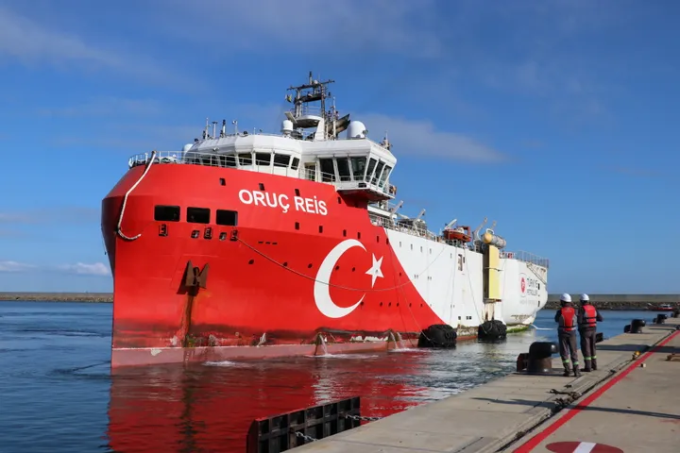
Experts at the session noted that this recognition strikes at the heart of Turkey and Egypt’s influence in the region. Both nations, which maintain close military ties with the Federal Government of Somalia in Mogadishu, issued stern condemnations, warning of a “new era of instability” in the Red Sea. - The U.S. and EU Response
The United States: Deputy Ambassador Tammy Bruce defended Israel’s right to sovereign diplomacy but clarified that U.S. policy remains unchanged—the U.S. continues to recognize one united Somalia.
The European Union: Reaffirmed its support for Somalia’s unity, urging “meaningful dialogue” rather than unilateral acts.
Why Somaliland?
Unlike the rest of Somalia, which has faced decades of civil unrest, Somaliland has functioned as a stable, democratic entity with its own currency, army, and elections for over 30 years. Until now, no nation had taken the leap to grant it legal recognition for fear of encouraging secessionist movements across the African continent.
What Happens Next?
The meeting ended without a formal resolution, but the diplomatic fallout is just beginning. Somalia is scheduled to take over the presidency of the Security Council on January 1, 2024, setting the stage for an unprecedented confrontation within the UN’s highest body.
“This is not just about a border in Africa; it is about the changing nature of global alliances,” remarked one diplomat leaving the chamber.




Leave a comment