


Since 1969, Somalia has been trapped in a cycle of indirect elections.2 This system was designed as a “peace-sharing” mechanism but often led to corruption and the exclusion of the youth and women.
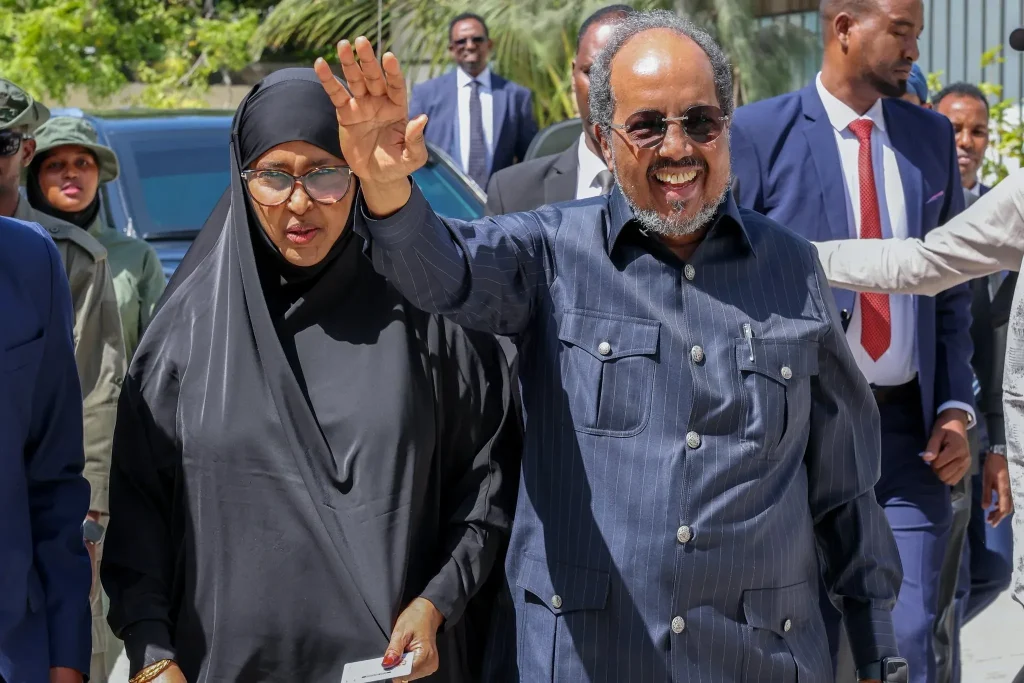
The Stages of Change:
- The 135 Elders (Pre-2016): A tiny group of clan elders selected all members of Parliament.3
- The Electoral Colleges (2016–2022): The pool expanded to roughly 30,000 voters (delegates), but voting was still restricted to safe zones and clan-specific seats.
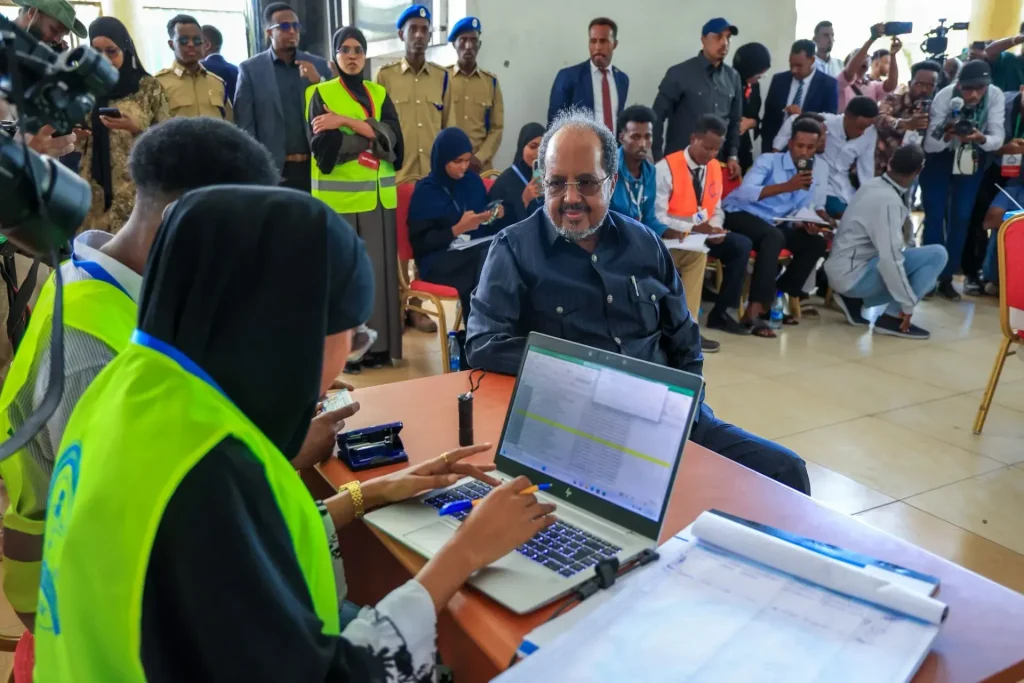
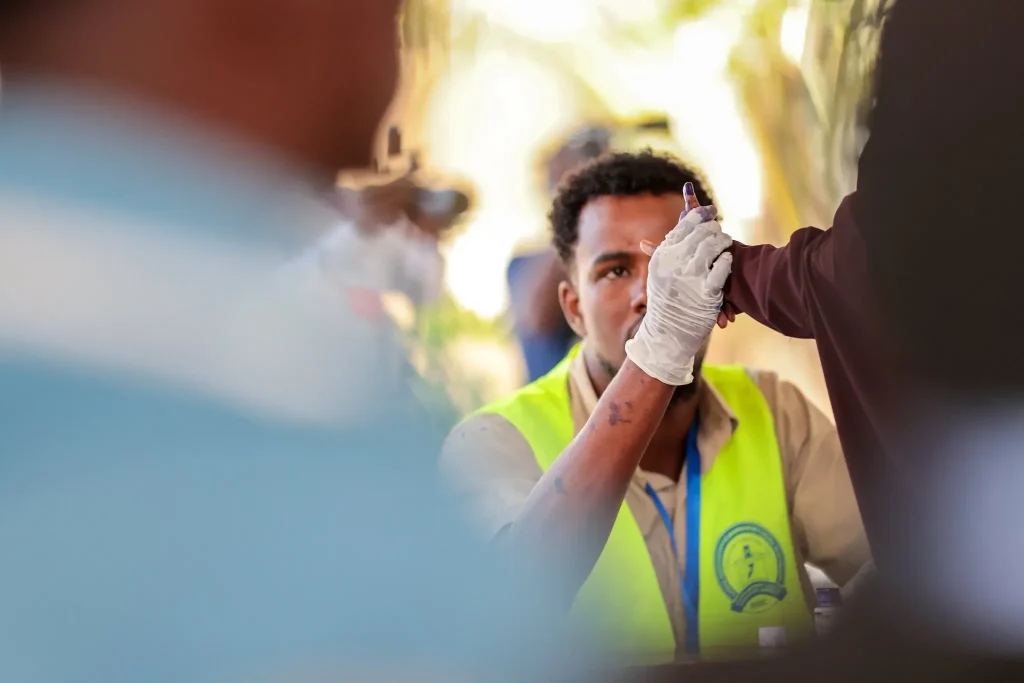
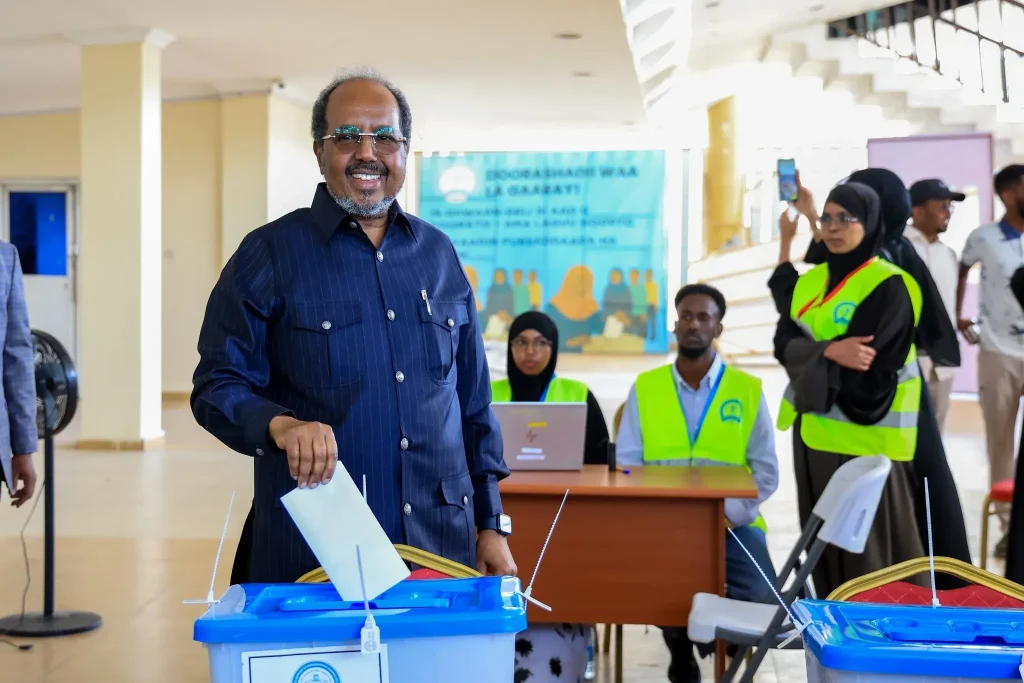
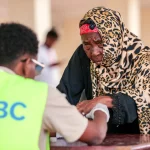
- The Mogadishu Pilot (December 2025): The “Universal Suffrage” model was launched. Over 500,000 citizens in the Banadir region registered to vote directly for their local representatives, bypassing clan intermediaries for the first time.
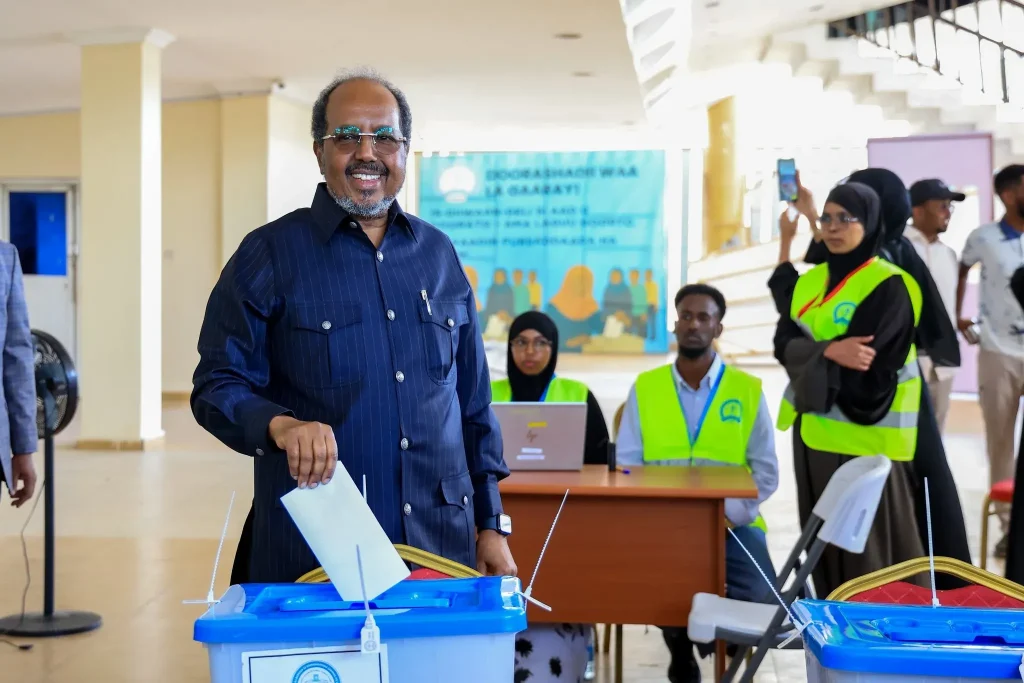
Why Mogadishu?
Mogadishu was chosen as the testing ground because of its high population density and the presence of the Somali National Army Stabilization Mission) forces, which provided the security “shield” necessary for polling stations to operate.
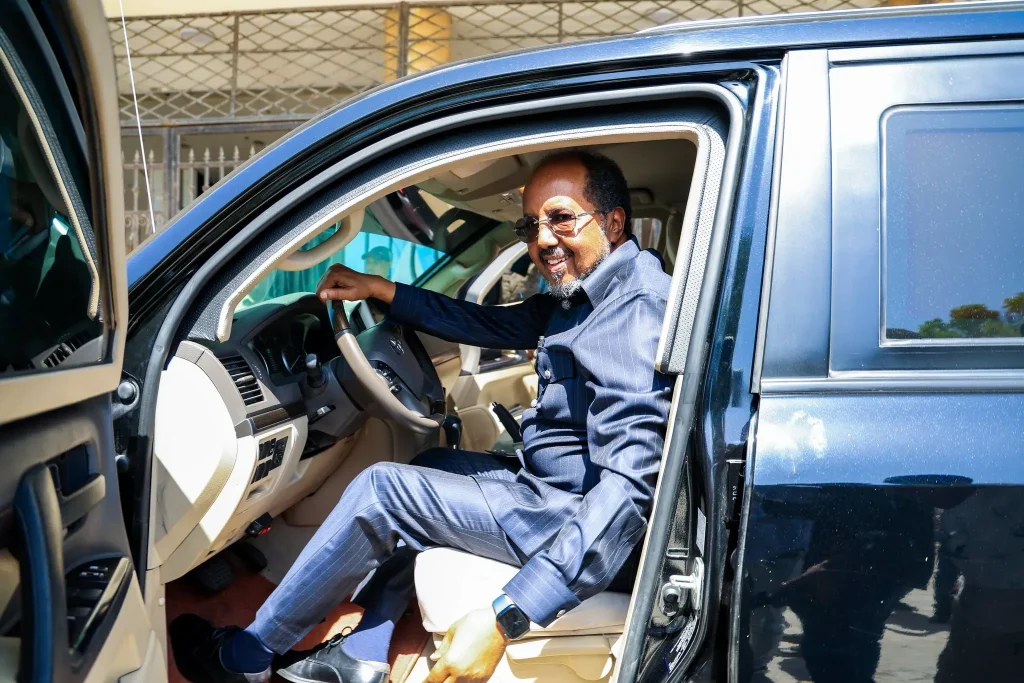
Part II: World Reaction—Headlines & Diplomacy
The international community has reacted with a mix of celebration and high-stakes warnings.
Global News Headlines:
- CTV News: “Mogadishu votes in first local elections in decades under tight security.”4
- Al Jazeera: “A Great Day: Somalis defy threats to cast historic direct ballots.”5
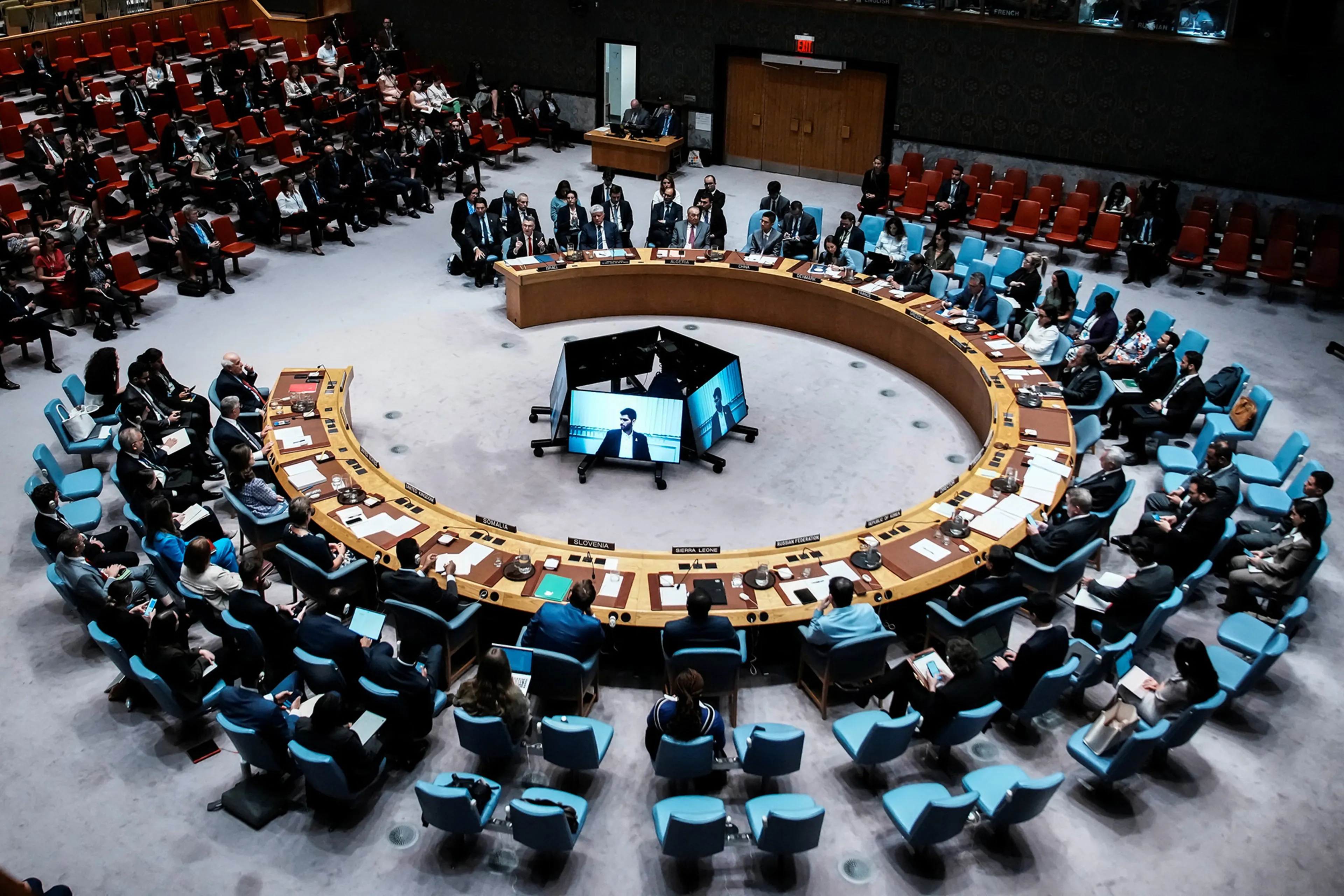
- The Horn Review: “Somalia’s UN Security Council Presidency: A symbolic backdrop to a democratic test.”
- Crisis Group: “The High-Stakes Gamble: Can Mogadishu’s success bridge the gap with regional states?”
Diplomatic Stance:
- United Nations: Hailed the technical success of the polls but warned that “inclusive dialogue” is the only way to ensure the 2026 national elections don’t lead to violence.
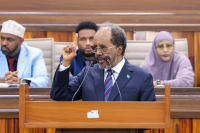
- African Union: Commended the bravery of the Somali people but urged President Hassan Sheikh Mohamud to reconcile with Puntland and Jubaland, which boycotted the process.
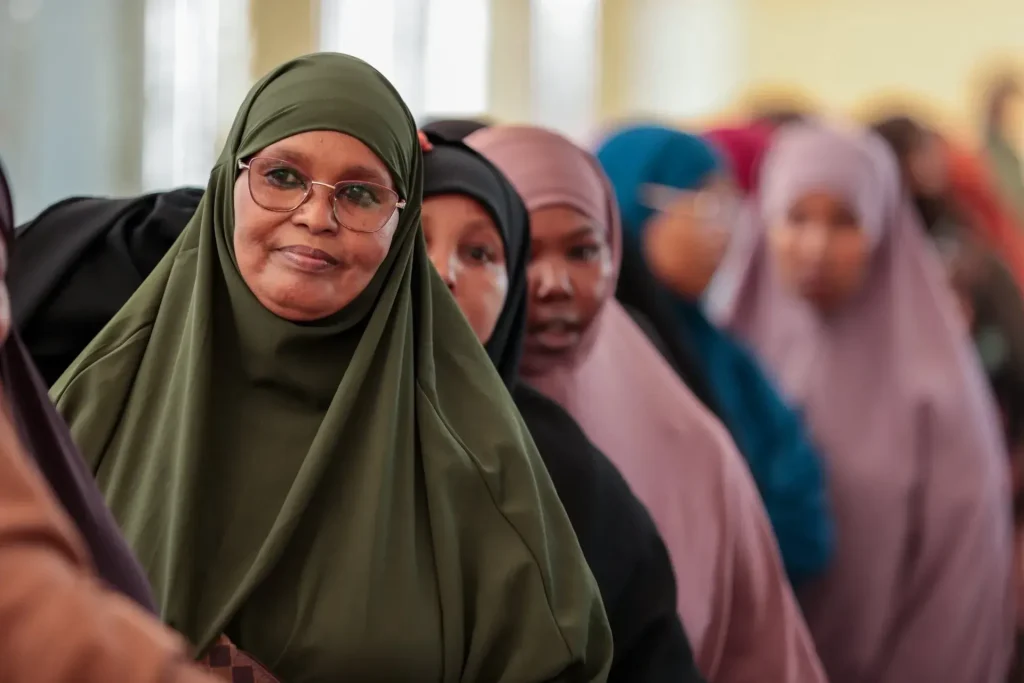
Part III: The Path to Reunion—Solving the Conflict
While the vote was a victory for the people, it created a “political rift” with regional leaders who fear the central government is using direct elections to seize absolute power.6 To achieve lasting peace and a full country-wide election in 2026, Somalia must follow three pillars of reunion:
1. The “National Consultation” Bridge
The government and the opposition (The National Salvation Forum) must meet before the January 20, 2026 deadline. A “middle-ground” model is likely needed—where direct elections happen in secure cities, while a more inclusive version of the indirect system is used in high-risk rural areas.7
2. Reconciliation with Federal Member States
Trust between Mogadishu and states like Puntland is at an all-time low. For a truly “all-country” election, there must be an agreement on Resource Sharing and Constitutional Clarity. Peace cannot be “voted in” if half the country’s regional leaders feel excluded.
3. Community-Level Healing
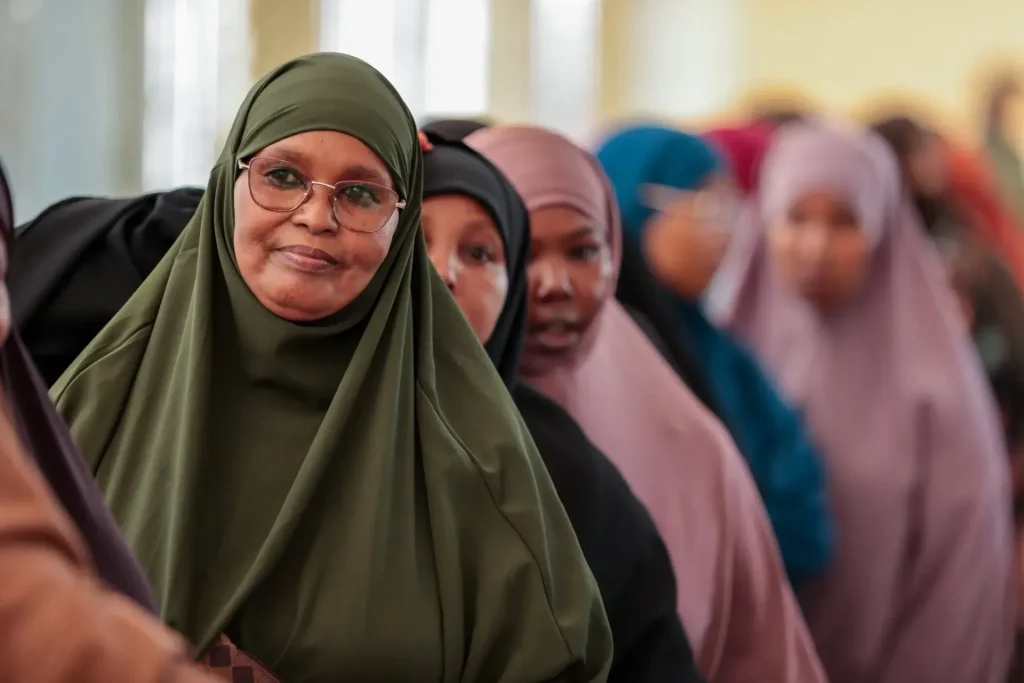
Research shows that Somalia’s conflict is often local (inter-clan).8 The 2025–2029 National Transformation Plan emphasizes “local justice” and “trauma healing.” Direct elections help this by making local leaders accountable to their neighbors rather than distant clan elders.
Summary Table: Somalia’s Election Roadmap
| Feature | 2022 System (Old) | 2025 Mogadishu Polls | 2026 Goal (National) |
| Voter Eligibility | 101 delegates per seat | All registered residents | Universal Suffrage |
| Role of Clans | Primary Deciders | Diminished/Secondary | Constitutional Oversight |
| Security | Defensive/Static | Proactive (10,000+ troops) | National Integrated Force |
| Outcome | Elite Consensus | Public Participation | Full Sovereignty |
The Final Verdict
Somalia is no longer “the world’s most failed state”; it is a “state in transition.” The success of the Mogadishu polls has proven that Somalis want to vote.9 The challenge now is to ensure that the ballot box becomes a tool for unity rather than a new reason for division.





Leave a comment